

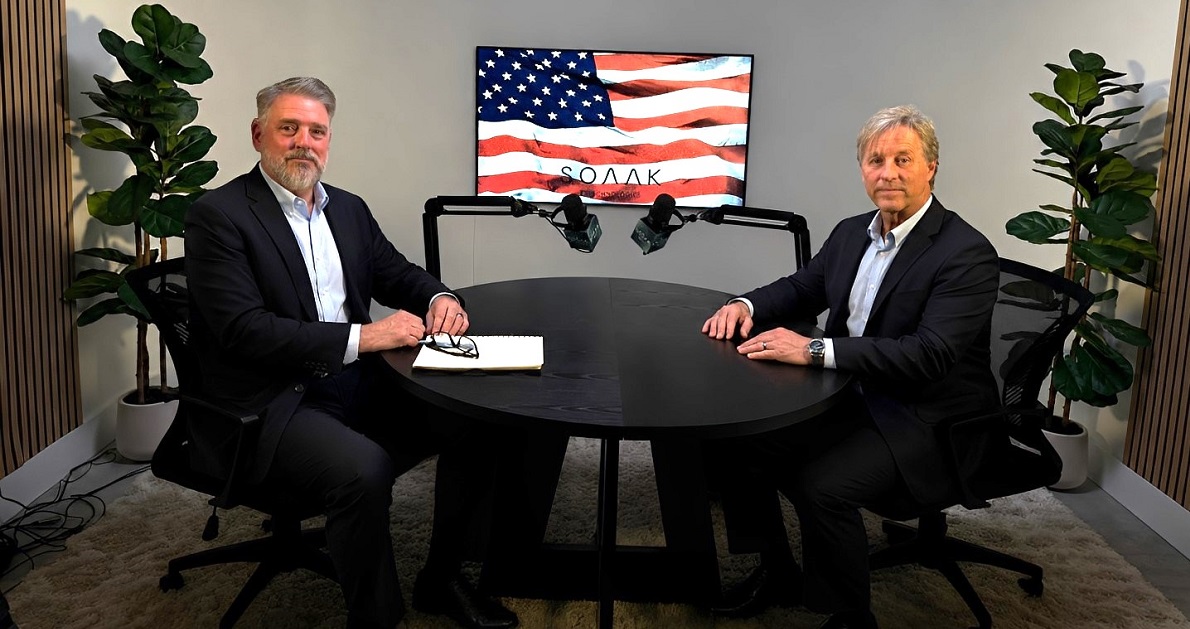

For generations, service members have often viewed sacrificing sleep as part of the job. Long hours, demanding missions and the expectation to push through fatigue have become ingrained in military culture. But retired Air Force Gen. Mike Minihan believes that mindset deserves a second look. After more than 34 years in uniform, he argues that recovery is a critical component of sustained performance, effective leadership and long-term health.
Minihan retired as commander of Air Mobility Command, where he led more than 110,000 Airmen and directed one of the nation’s largest mobility operations. His experience overseeing combat missions, humanitarian relief efforts and global logistics shaped his perspective on what enables leaders and teams to perform under pressure. Today, he advises companies focused on national security, innovation and human performance.
Rather than viewing recovery as downtime, Minihan believes it should be considered part of mission readiness.
“Sleep isn’t about comfort; it’s about readiness,” he said. “Recovery isn’t the opposite of toughness. It’s what makes toughness sustainable.”
Shift Mindsets
Early in his military career, Minihan viewed sleep the way many service members do—as something to sacrifice in order to accomplish the mission. Experience eventually taught him that operating while exhausted is not a badge of honor but a liability that can affect judgment, decision-making and long-term health.
He compares chronic sleep deprivation to launching an aircraft with degraded systems. Military leaders would never knowingly accept that level of operational risk, yet people often expect themselves and others to make critical decisions while mentally fatigued. For Minihan, that contradiction highlights why recovery deserves far greater attention in both military and civilian workplaces.
His own lifestyle evolved over time as well. Although alcohol was not creating problems in his life, Minihan decided to stop drinking after recognizing that even moderate consumption affected his sleep quality. The result, he said, was better recovery, greater mental clarity and improved energy throughout the day.
Recover Daily
Minihan believes improving recovery doesn’t require complicated routines. Lasting results come from consistently practicing the basics. Maintaining a regular sleep schedule, limiting screen time before bed, exercising regularly and managing caffeine intake are habits that produce lasting benefits over time.
He also embraces technology that complements—not replaces—those healthy habits. Minihan incorporates Soaak Technologies into his nightly routine as one additional tool to support sleep and recovery while emphasizing that exercise, nutrition and healthy relationships remain the foundation of long-term wellness.
“What I appreciate most about Soaak is that it works while I’m asleep. I believe that while I’m sleeping, Soaak is on the night shift doing mental push-ups on my behalf so I can wake up stronger and better prepared for the day ahead.”
As Minihan explains, performance is rarely determined by one major decision but by “hundreds of good decisions repeated over time.”
Build Resilience
Throughout his leadership career, Minihan emphasized that resilience should not be something people search for during a crisis. Instead, it should be developed long before adversity arrives. That philosophy inspired a readiness initiative he called “Warrior Heart,” which encouraged Airmen to strengthen their minds, bodies and professional skills every day rather than waiting until challenges appeared.
For Minihan, those three areas are inseparable. Continuing to learn strengthens mental resilience, physical fitness and quality recovery strengthen the body, and ongoing professional development builds confidence in one’s craft. Together, they create leaders who are better prepared to navigate uncertainty while sustaining high performance over time.
Lead Well
Minihan believes sleep and recovery will eventually be viewed alongside physical fitness as essential pillars of leadership. Organizations that understand the connection between human performance and operational success, he said, will be better positioned to thrive in increasingly demanding environments.
“I believe future leaders will think about sleep the same way they think about physical fitness,” he said. “Both are essential to making good decisions, leading people and sustaining performance over time.”
His advice extends well beyond military service. Whether someone is serving on active duty, transitioning into a civilian career or leading an organization, Minihan encourages people to recognize that strength also means accepting support from others.
“Don’t carry the burden alone,” he said. “The strongest people I have ever served with knew when to lean on their teammates, families, faith and friends.”
Go to www.soaak.com to start your free trial.
Read more articles for the Veteran Community here.