

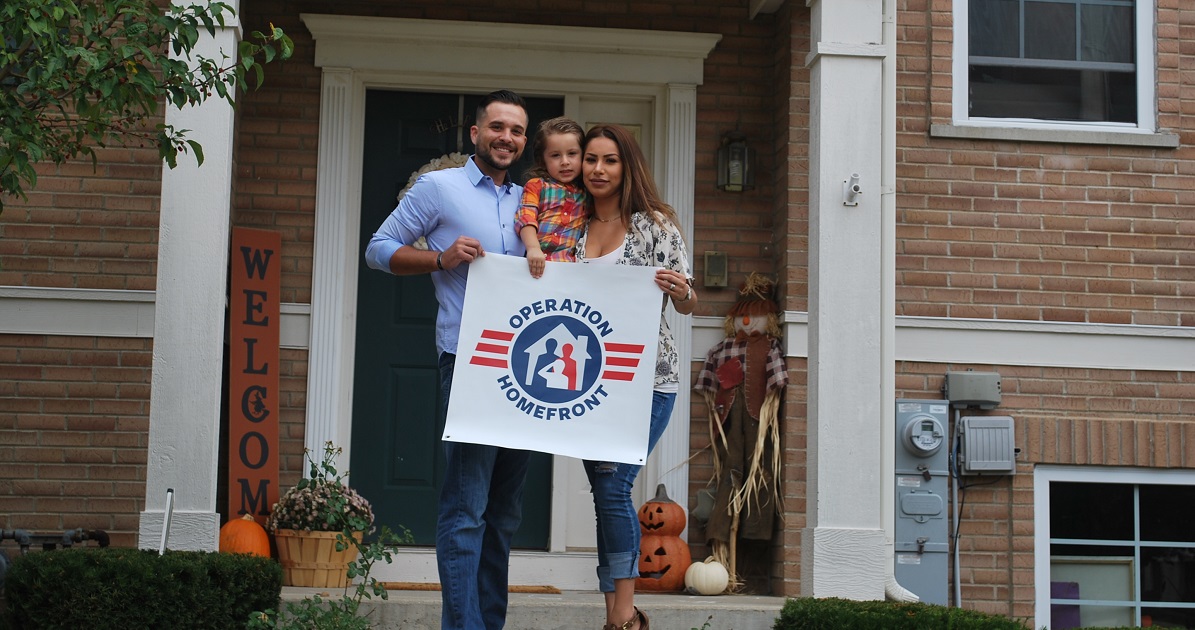

For veterans transitioning from military to civilian life, housing is often the critical first step toward rebuilding stability. Rising rents, limited inventory and shifting job markets have made that transition even more challenging in recent years, particularly for families seeking to establish financial security after service. Operation Homefront’s Transitional Homes for Veterans program was created to address that gap by pairing short-term housing with long-term planning to support independence.
Housing First
The program centers on the belief that stable housing provides the foundation for every other part of a family’s reintegration. Veteran households accepted into the initiative receive rent-free transitional housing along with individualized case management and financial counseling. Each family works with a dedicated support team to establish goals tied to employment, education, savings and long-term housing plans.
According to Operation Homefront leadership, families are encouraged to focus on improving their credit, reducing debt and building emergency savings while living in the homes. That structure allows participants to concentrate on future goals rather than immediate housing insecurity.
Program Growth
Initially launched in 2018 to serve veterans within a year of leaving active duty, the initiative expanded after organizers recognized that financial challenges often persist well beyond that initial transition window. Today, families up to 10 years separated from military service may qualify, reflecting the reality that reintegration timelines vary widely.
The broader eligibility has enabled the organization to reach families facing delayed employment progress, repeated relocations or long-standing financial strain. Program administrators say the change has helped the initiative respond more effectively to evolving housing pressures nationwide.
Market Strain
Escalating housing costs continue to affect veterans across many regions. Higher mortgage rates and rental prices can slow progress toward homeownership, even for families with steady incomes. Operation Homefront has adapted by offering flexible housing options and tailoring support services to meet the needs of families at different stages of transition.
Leaders within the organization note that once housing stability is achieved, additional obstacles often come into focus, including limited civilian professional networks or difficulty translating military skills into private-sector roles. Addressing those barriers becomes more manageable when families are no longer concerned about immediate shelter.
Financial Planning
Financial education remains central to the program’s approach. Counselors help families develop budgets, establish savings plans and prepare for major milestones such as purchasing a home or relocating for new employment. The goal is to shift households from crisis management to long-range decision-making.
Participants are encouraged to pursue educational opportunities, certifications or career changes that align with civilian job markets. Program leaders say the emphasis on accountability and planning is designed to leave families in stronger positions long after they exit transitional housing.
Community Support
Local partnerships play a key role in extending the program’s reach. Businesses, volunteers and nonprofit organizations assist with referrals, employment connections and donated services. Community engagement helps introduce families to resources they might not otherwise encounter.
Operation Homefront representatives emphasize that veterans do not need to navigate the transition process alone. Outreach efforts aim to ensure families know where to turn for assistance, whether they are newly separated from service or have been in civilian life for several years.
Lasting Stability
The organization’s long-term objective is to move families beyond short-term relief toward sustainable independence. By combining housing assistance with financial coaching and supportive case management, Operation Homefront seeks to create pathways toward confidence, dignity and durable economic security.
For many participants, that breathing room provides the chance to reset priorities, rebuild savings and establish roots in new communities—steps that can define life after military service for years to come.
Read more articles for the Veteran Community here.