

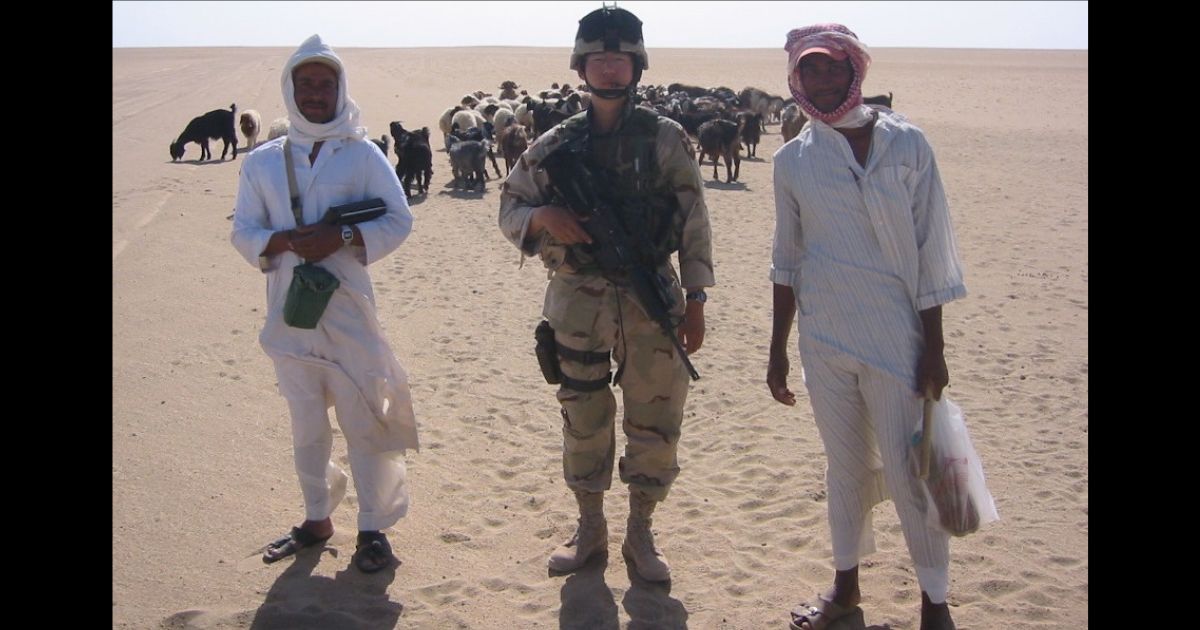

For many veterans, the battle does not end after military service. The transition home can bring sleepless nights, anxiety, depression and the invisible weight of trauma.
Army veteran Paul Kim knows those struggles firsthand. After deploying to Iraq with the 506th Infantry following 9/11, he experienced the challenges many veterans face when seeking care. Today, he is working to improve access to behavioral health services through Sensible Care, a behavioral health organization he co-founded in 2017 with fellow veteran and psychiatrist Dr. Paul Chung.
Hidden Wounds
Kim recalls that some of the most difficult moments during his deployment were not caused directly by enemy fire. Shortly after arriving in Iraq, members of his battalion died by suicide while serving in an active combat zone.
“While suicide wasn’t the leading cause of death, it was striking that someone would take their own life while an enemy was trying to take it from us every day,” Kim said.
The emotional toll on Soldiers was constant. Troops dealt with roadside bombs, mortar attacks and the pressure of remaining alert around the clock. Kim said many service members struggled to sleep, and treatment often focused on temporary solutions instead of long-term care.
“To me, that felt like putting a bandage on a severed limb,” he said.
That experience shaped his belief that mental health care for veterans needed a more thoughtful and accessible approach.
Seeking Help
Like many veterans returning home, Kim faced his own challenges navigating PTSD treatment and the health care system. One of his earliest experiences with the Department of Veterans Affairs felt rushed and impersonal, with medication offered almost immediately after a brief evaluation.
At the same time, finding therapy outside the VA proved difficult. Kim discovered that many therapists either did not accept insurance or had long waitlists for appointments. That experience exposed what Kim believes remains one of the largest gaps in veteran mental health care today: accessibility.
“In my experience, people don’t commit to weekly therapy unless they truly need it,” Kim said. “Once they’ve made that decision, we should make it as easy as possible to access care.”
Better Access
Those frustrations ultimately inspired Kim to help launch Sensible Care. He learned that many behavioral health providers avoided insurance systems because of the administrative burden associated with claims, authorizations and reimbursement delays. Sensible Care was designed to remove many of those obstacles for both patients and clinicians.
Today, Sensible Care’s 290 providers are all credentialed to work with Tricare and VA patients. The organization has also developed technology to streamline prior authorizations and care coordination, helping veterans gain faster access to treatment.
The organization integrates psychiatry and therapy services; an approach Kim says produces stronger long-term outcomes.
“Studies show that therapy combined with medication is more effective than either on its own,” he said.
That combination allows providers to address everything from anxiety and depression to more severe mental health conditions while helping patients build coping skills that extend beyond treatment.
Future Focus
As behavioral health continues to evolve, Kim believes the future belongs to organizations that prioritize patient outcomes over rapid growth.
“The ones that will last are those that prioritize patient outcomes, support their providers and use AI thoughtfully without trying to replace clinicians,” he said.
For veterans who may be hesitant to seek help, Kim hopes his story sends a clear message: mental health struggles are treatable, and no one should feel trapped by them.
“Anxiety, depression and other mental health conditions are highly treatable,” he said. “They do not have to define you.”
As more veterans speak openly about mental health and access to care continues to improve, leaders like Kim are helping ensure that those who served do not have to face invisible wounds alone.
Read more articles for the Veteran Community here.