

After nearly three decades in the Air Force, Felice Parker didn’t slow down—she shifted gears. What followed wasn’t just a transition to civilian life, but the launch of a second career rooted in structure, leadership and continuous learning.
Her path into franchising reflects a growing trend among veterans: turning military experience into successful business ownership.
Early Start
Parker retired in 2012 after 27 years of service, carrying forward more than formal education in elementary and early childhood development. She brought with her a leadership mindset shaped by years of training, responsibility and real-world execution.
“The Air Force prepared me for those roles with numerous trainings and workshops in leadership,” she said. “That training and experience gave me the tools that I still use today in running my business.”
She didn’t wait until retirement to begin. In 2011, while still in uniform, Parker purchased her first franchise—a childcare business she would operate for nearly 15 years. Starting early allowed her to build a foundation with support already in place, easing the transition into entrepreneurship.
That decision proved critical.
Built-In Support
For Parker, franchising offered something familiar: structure.
“Before I opened my doors, they trained me and my director on how to operate the day to day,” she said. “Having someone to call, whether it’s corporate or another owner, is priceless. You are never alone.”
That built-in network mirrored the systems she relied on in the military. Clear processes, defined expectations and accountability weren’t new—they were an advantage.
“The military teaches you to follow regulations, which are processes of how to do everything,” she said. “You don’t have to guess—you just do it.”
New Challenge
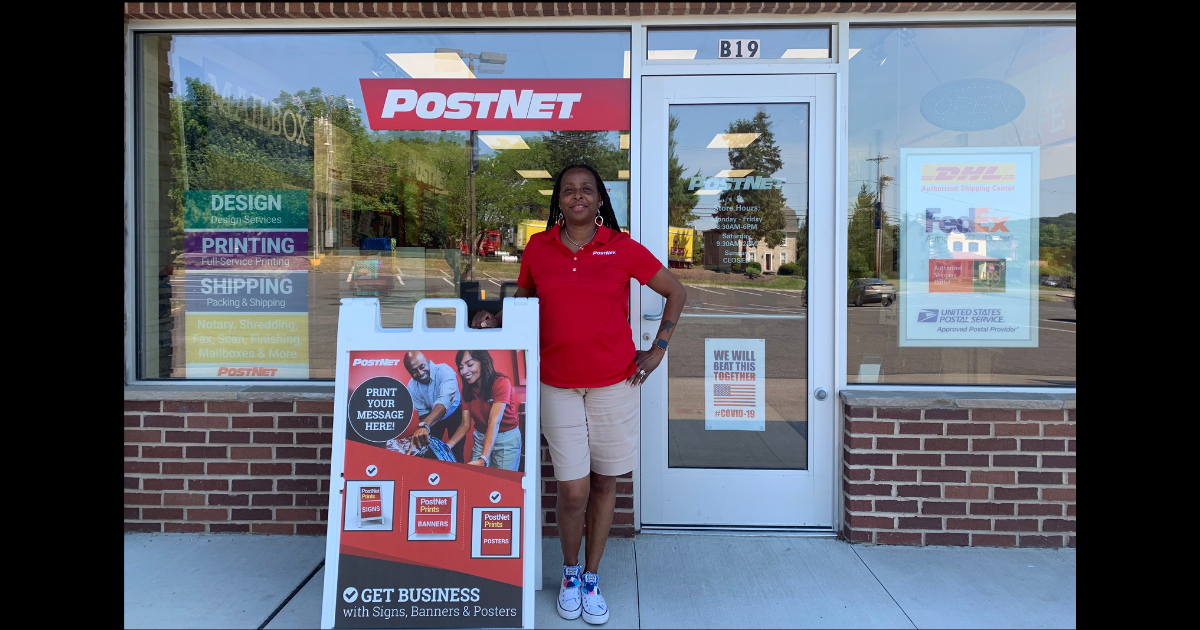
After stabilizing her childcare business, Parker looked for her next opportunity. In 2019, she expanded into a completely different space, purchasing a PostNet franchise.
The move was intentional.
“I enjoy challenging myself, and since I had no experience in printing or shipping, I knew it would be a great opportunity to learn something new,” she said.
Shortly after opening, the pandemic created immediate uncertainty. But once again, the franchise model provided a safety net. With guidance from corporate leadership and fellow owners, she adapted and kept moving forward.
Lessons Learned
Through both ventures, Parker has gained a clear understanding of what sets franchising apart from starting a business independently.
“With a franchise, much of the work has already been done,” she said, describing it as a turnkey model. Independent businesses, by contrast, require building everything—from systems to strategy—from the ground up.
Still, the journey wasn’t without challenges. One of her biggest learning curves came in understanding the financial side of the business.
“Knowing your numbers is very important,” Parker said. “It took me a few years to really get to know how to read a P&L and understand it.”
That lesson, she notes, is one she wishes she had prioritized earlier.
Looking Ahead
 For service members considering entrepreneurship, Parker emphasizes preparation and patience. Start early. Do the research. Choose a business that aligns with your interests and goals.
“Planning is key, and don’t get discouraged,” she said. “Nothing goes perfectly, but always be ready for the unknown.”
Her journey highlights a broader reality: the skills developed through military service—leadership, adaptability and accountability—don’t just translate to business ownership. They can drive it.
With the right approach and support, veterans like Parker aren’t just entering the business world—they’re building something that lasts.