

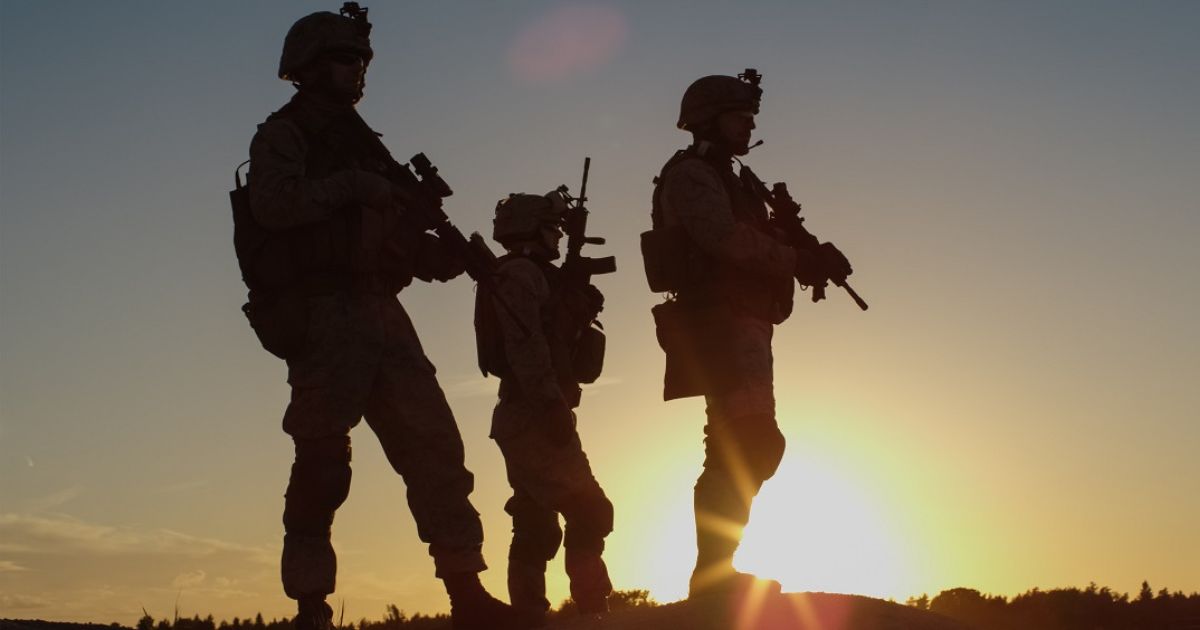
On the third Saturday in May each year, Americans observe a moment that is both simple and meaningful: Armed Forces Day. This year’s observance falls on May 16. While it may not carry the long weekend familiarity of Memorial Day or the solemn ceremony of Veterans Day, its purpose is distinct—honoring those who are serving today.
For active-duty service members, members of the National Guard and Reserve and their families, Armed Forces Day offers public recognition of a commitment lived daily. It reflects the early mornings, long deployments, relocations, training cycles and quiet sacrifices that rarely make headlines but define military life.
Origins
Armed Forces Day was established in 1949, following the creation of the U.S. Department of Defense, which unified the nation’s military branches under a single department. The following year, President Harry S. Truman proclaimed the first official observance, encouraging Americans to recognize the strength and readiness of the armed forces.
Rather than honoring each branch separately, the new holiday brought together those serving in the Army, Navy, Air Force, Marine Corps and Coast Guard—later joined by the Space Force—under a single shared moment of recognition.
The intent was not simply ceremonial. Armed Forces Day was also designed to strengthen public understanding of the military and the people who serve.
Present Service
For those in uniform, Armed Forces Day holds a unique place among national observances.
Memorial Day honors those who made the ultimate sacrifice. Veterans Day recognizes everyone who has served. Armed Forces Day focuses on the present—on the service members currently standing watch, training, deploying and preparing.
It serves as a reminder that military readiness never pauses. At any given moment, units are training in the field, ships are underway and aircraft stand ready for immediate response. Military families are navigating another move, another school transition or another period of time apart.
The day acknowledges that reality.
For civilians, it offers an opportunity to better understand what service means in a nation sustained by an all-volunteer force. Since the end of the draft in 1973, only a small percentage of Americans have served on active duty at any given time. That growing gap makes awareness and connection increasingly important.
Community Recognition
Across the country, Armed Forces Day is marked in a variety of ways.
Military installations may host open houses, air shows or equipment demonstrations that allow communities to see firsthand how the armed forces train and operate. Local governments often issue proclamations or host ceremonies recognizing service members in their communities. Schools and civic groups may organize programs that highlight military history, service and civic responsibility.
Yet meaningful recognition does not require large-scale events.
Sometimes it is a handwritten note. A handshake. A simple “thank you.”
For military families, the day can also be a moment of reflection. Behind every service member is a network of spouses, children and loved ones who carry their own share of the sacrifices that come with military life. Missed birthdays, career interruptions and frequent moves are often part of that reality.
Armed Forces Day honors them as well.
Shared Gratitude
At its core, Armed Forces Day is about connection.
It reminds those in uniform that their service is recognized and valued. It also reminds those outside the military that the nation’s security and freedoms are sustained by real people—neighbors, classmates, coworkers and friends—who volunteer to serve something larger than themselves.
The observance does not require grand gestures. It simply asks Americans to pause and recognize that readiness is not abstract. It is lived daily by men and women who train, adapt and serve in an increasingly complex world.
For service members reading this, Armed Forces Day is for you—your discipline, professionalism and dedication to mission.
And for those who have never worn the uniform, May 16 offers a simple invitation: learn more about military service, engage with your local military community and express gratitude in ways both visible and quiet.
Honoring those who serve is not just a tradition. It is a shared responsibility.
Read more articles for the Veteran Community here.