

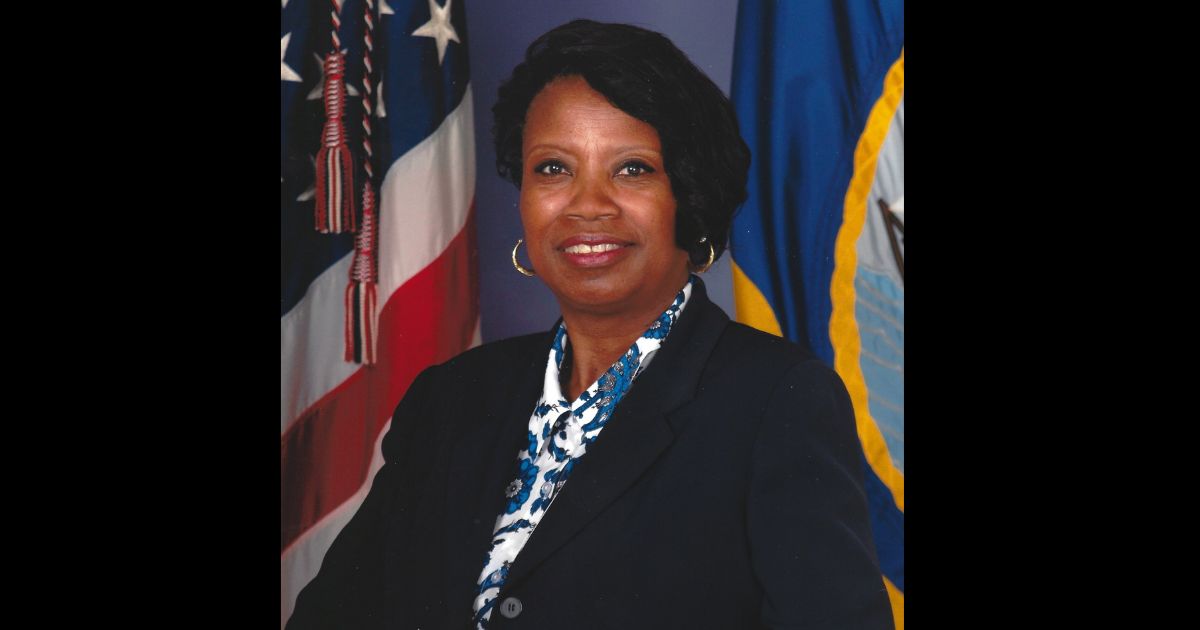
By Dee Baker
Veterans entering civilian organizations often bring leadership experience that has been lived, tested and refined under pressure. Yet the challenge many organizations face is not whether veterans possess leadership capability, but whether the leadership identity shaped through military service is fully understood within civilian workplaces. Recognizing and integrating that leadership identity requires more than hiring initiatives. It requires organizational leaders who are willing to listen, reflect and cultivate cultures where diverse leadership perspectives can thrive.
Leadership Identity
Leadership in the military develops in environments where accountability, mission clarity and responsibility for others are woven into daily operations. Service members are trained to make decisions under pressure, operate with incomplete information, and remain responsible not only for outcomes but for the well-being of the teams they lead. These experiences shape leadership habits grounded in discipline, resilience and a strong sense of ownership.
When veterans transition into civilian organizations, they bring this leadership mindset with them. However, leadership dynamics outside the military often operate differently. Authority may be less defined by rank and more influenced by collaboration, communication and organizational culture. Leadership behaviors that are instinctive for veterans—direct communication, decisive action and strong accountability—may appear unfamiliar to colleagues who have not worked within the environments that shape military leadership.
These differences can sometimes lead to misunderstandings.
Bridging the Gap
The leadership qualities veterans bring are often exactly what modern organizations need. Today’s workplaces operate in environments defined by constant change and increasing complexity. Leaders who remain composed under pressure, accept responsibility for outcomes and maintain clarity of purpose often provide the stability teams need during periods of uncertainty.
Understanding leadership identity, however, extends beyond veterans alone. Every individual entering an organization carries experiences and perspectives shaped by prior environments. Whether those experiences come from military service, government roles, private industry or academic settings, they influence how people approach responsibility, teamwork and decision-making.
For organizations, this means recognizing that leadership integration is not simply about onboarding new personnel. It is about understanding the leadership identities individuals bring with them.
Culture Matters
Organizational culture plays a critical role in this process. Culture begins at the top. Leaders set the tone for how new individuals are welcomed, how diverse perspectives are valued, and whether teams are encouraged to learn from one another. When leadership demonstrates openness to new ideas and new ways of thinking, organizations create environments where people from different backgrounds, including veterans, can contribute fully to the mission.
The modern workforce adds another layer to this leadership dynamic. Many organizations now include four or even five generations working side by side, each shaped by different experiences and expectations about leadership and communication. Just as leaders must stay current with technological change—from digital transformation to artificial intelligence—they must also remain attentive to how leadership practices evolve within a changing workforce.
Leaders who resist adapting to change often limit their ability to lead diverse teams effectively.
Leading Forward
Strong leadership also requires humility. Every individual within an organization brings knowledge and insight shaped by their experiences. Effective leaders recognize that no single person holds all the answers, regardless of where they sit within the organizational structure. Listening, learning and respecting different perspectives strengthen organizations and create environments where collaboration and innovation can flourish.
Leadership ultimately sets the tone for the organization. The behaviors leaders demonstrate—through respect, openness and accountability—often become the standard others follow. When leaders align their words with their actions, they build trust and establish cultures where people feel valued and empowered to contribute.
The conversation about veterans in the workforce should therefore move beyond hiring initiatives alone. Recruitment may open the door, but long-term success depends on how organizations understand and integrate the leadership identities that individuals bring.
Veterans contribute more than operational experience. They bring leadership perspectives shaped by environments where responsibility, teamwork and mission clarity are inseparable from daily work. When these qualities are recognized and supported within civilian organizations, they strengthen not only veteran careers but also the organization’s leadership capacity.
Read more articles for the Veteran Community here.