

The transition to civilian life is rarely a seamless process. Many veterans face unique emotional, psychological and physical challenges after service, including post-traumatic stress, depression and feelings of disconnection. While traditional therapy and medical treatment remain vital, therapeutic hobbies are increasingly being recognized as powerful tools in helping veterans reclaim a sense of purpose, stability and peace.
These activities—ranging from creative arts to outdoor pursuits—can serve as practical coping mechanisms, enhance mental health and foster a renewed connection with oneself and others.
Creativity as Healing
Creative hobbies, such as painting, woodworking, sculpting or writing, allow veterans to express themselves in ways that talk therapy may not always reach. According to the National Veterans Creative Arts Festival, veterans who engage in the arts often report lower levels of anxiety, greater emotional resilience and improved quality of life.
“Art gives you a voice without words,” said a representative from Help Heal Veterans, a nonprofit that provides therapeutic craft kits to military and veteran patients. “It’s not just about making something—it’s about expressing something.”
Woodworking and model building, for instance, require focus and precision, which helps veterans improve cognitive function and reengage their fine motor skills. These hobbies can also be deeply satisfying, as they offer tangible outcomes that reinforce a sense of achievement and progress.
Rhythm of Recovery
Music therapy, including learning to play instruments or participating in drum circles, has proven to be particularly beneficial for those managing PTSD. The structured repetition of rhythm and melody provides a calming, almost meditative experience. According to the American Music Therapy Association, music can help reduce hypervigilance and intrusive thoughts, which are common among those with trauma.
For some, listening to music associated with positive memories can also trigger a sense of safety and well-being. Others may prefer the discipline and growth involved in learning a new instrument—a rewarding way to build self-confidence.
Movement & Mindfulness
Physical hobbies, such as yoga, tai chi or gardening, offer both mental and physical health benefits. Yoga and tai chi, in particular, combine gentle movement with breathwork and meditation, which can help veterans manage stress and increase emotional regulation. The Department of Veterans Affairs has incorporated these activities into several rehabilitation and mental health programs nationwide.
Gardening, another increasingly popular hobby among veterans, encourages routine, nurtures patience and provides a powerful metaphor for healing and growth. In some states, horticultural therapy is now part of VA hospital treatment plans.
The Outdoors
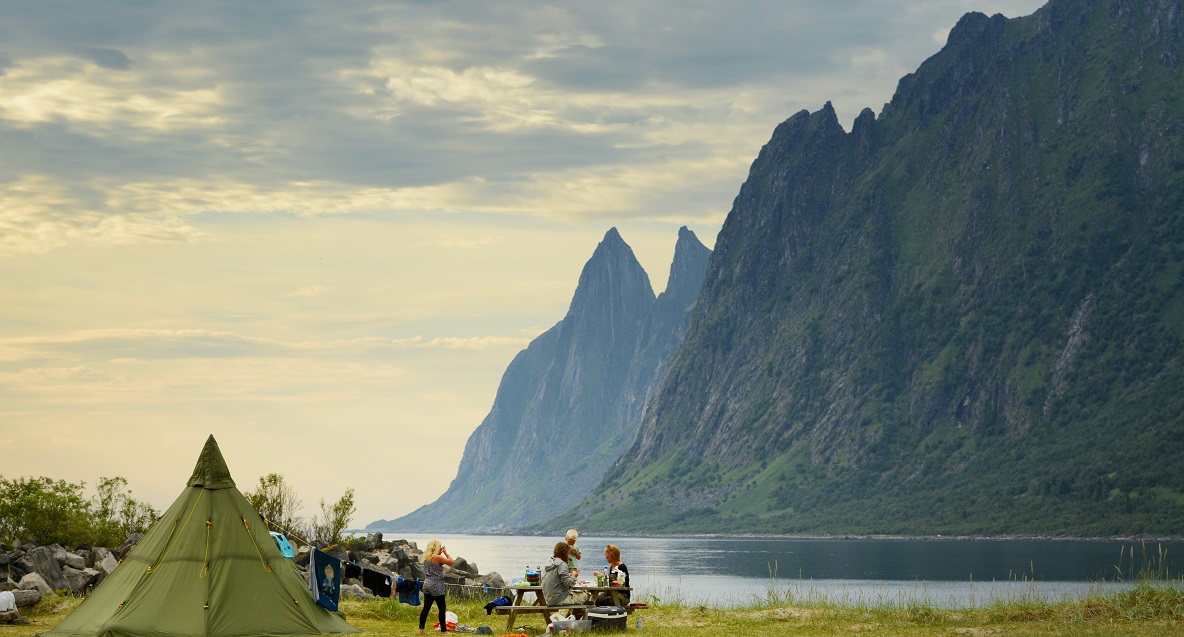
Outdoor hobbies such as hiking, fishing, kayaking and camping can reconnect veterans with nature while encouraging physical fitness and socialization. Programs like Warriors on the Water and Outward Bound Veterans offer organized excursions where participants build trust and camaraderie while enjoying the therapeutic effects of nature.
Research from the Sierra Club Military Outdoors initiative shows that time spent in natural settings can lower cortisol levels, reduce symptoms of PTSD and promote overall emotional resilience.
Adaptive Programs
Not all veterans are physically able to engage in traditional activities, but adaptive programs ensure that healing remains accessible to them. Wheelchair-accessible tai chi classes, modified yoga poses and adaptive sports leagues offer inclusive avenues for participation. Help Heal Veterans, for example, designs craft kits for veterans with limited dexterity or mobility, ensuring that everyone can benefit from therapeutic engagement.
Restoring Camaraderie
While solitary hobbies can foster introspection and focus, many veterans find that group-based activities reestablish the camaraderie they often miss after leaving the military. Group painting classes, writing workshops or community garden projects offer both purpose and peer support.
Therapeutic hobbies are more than pastimes—they’re meaningful tools for recovery. Whether through art, movement, music or nature, these activities help veterans rebuild their identity, manage stress, and reconnect with others. As more programs recognize their benefits, hobbies are becoming vital components of holistic veteran care.
Read more articles for the Veteran Community here.