

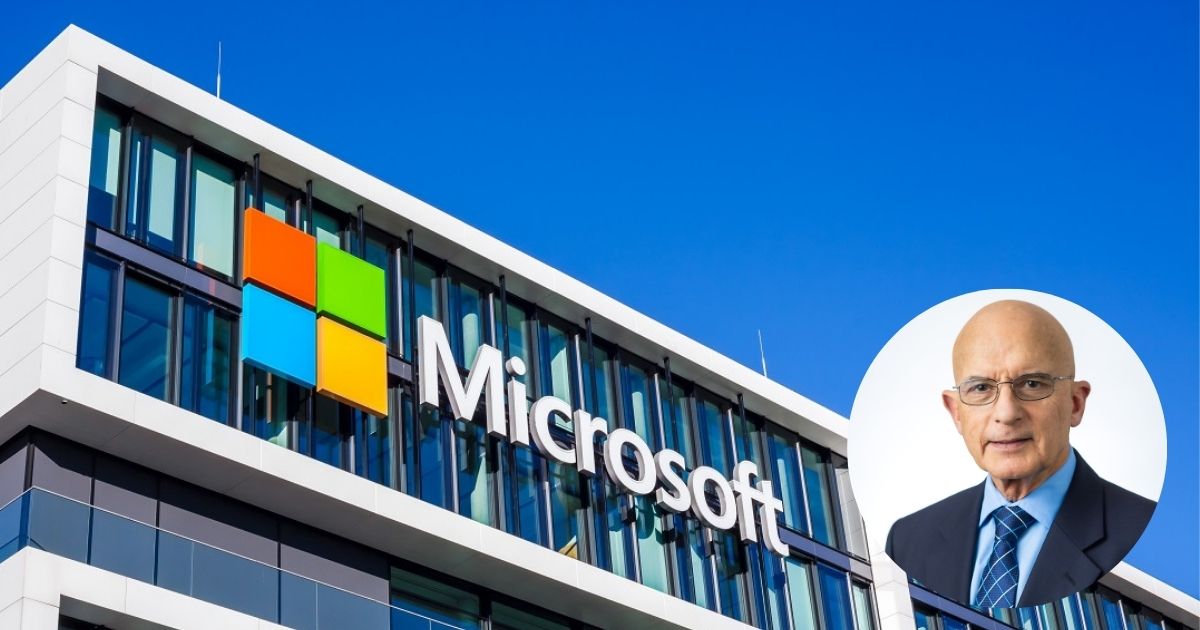
In an era where the tech industry is racing forward, Chris Cortez, pictured above, is ensuring America’s veterans aren’t left behind. A retired Marine Corps Major General with 33 years of service and nearly two decades at Microsoft, Cortez now leads the tech giant’s Military Affairs team—helping pivot military skills into high-demand tech careers.
Since 2014, Cortez has been at the helm of the Microsoft Software and Systems Academy (MSSA). This 17-week intensive training program equips transitioning service members, veterans, reservists and National Guard members with the technical skills needed for civilian employment in tech. What began as a pilot program at Joint Base Lewis-McChord has grown into a transformative force in veteran career development.
“Our crown jewel is MSSA,” Cortez said during a recent interview. “Back in 2006, we asked what opportunities existed for veterans wanting to enter tech. The answer was none. So we built one.”
Through 2019, MSSA was taught in classrooms at 12 military installations across the country. When the COVID-19 pandemic shut down physical classrooms, Microsoft pivoted and doubled down on accessibility, transitioning the program to live, online, instructor-led training with the help of expert virtual instruction partners. The shift not only preserved the program—it improved it. Now MSSA is able to reach transitioning service members at many more installations—including overseas, with training offered in U.S. and European time zones.
“COVID turned out to be a blessing in disguise,” Cortez reflected. “We were able to expand access and bring in subject matter experts across different disciplines for a richer learning experience.”
The program’s impact is undeniable. MSSA boasts more than 4,000 graduates with a 94% graduation rate. Of those seeking employment immediately, 96% find jobs—and 91% land in tech roles, whether in the IT industry or in technical positions across other sectors. Cortez is quick to highlight individual success stories that bring these statistics to life.
Take David Porter, a former Army Ranger who graduated from MSSA at Fort Benning. Porter went on to join Microsoft’s Army account team and later became the first to introduce the U.S. Army to the HoloLens-powered IVAS system. He now serves as Chief Operating Officer at ServiceNow, a Microsoft partner.
Or consider Solaire Brown, a Marine Corps veteran injured in Afghanistan who graduated from MSSA at Camp Pendleton. After 14 interviews resulting in seven job offers, she chose a role in Microsoft’s Cyber Defense Operations Center, where she has spent nearly a decade rising through the ranks.
These stories, Cortez says, are more than just testimonials—they’re proof points for service members unaware of their potential in the civilian workforce. “When veterans see someone like them succeed, it opens a door,” he explained. “They realize, ‘If they did it, maybe I can, too.’”
That inclusivity and conviction in the skillsets of the military community extends to military spouses as well. Microsoft has started offering learning paths—areas of technical specialization—that support the particular needs of military spouses (such as portability) and address the broader military community’s need for sustainable careers.
Significantly, MSSA is fully funded by Microsoft, rather than by using participants’ GI Bill benefits. This removes a major barrier to entry and enables veterans to retain those benefits for ongoing education for them or their families. “Once we went virtual, we decided to fund the training ourselves,” Cortez said. “That means more veterans can participate without sacrificing their education benefits.”
With a small but agile team, Cortez ensures MSSA remains competitive, accessible and aligned with the industry’s needs. Current learning paths focus on Cloud Application Development, Server and Cloud Administration and Cybersecurity Operations—all areas with sustained hiring demand. As technology evolves, so does MSSA.
Cortez’s message to veterans is simple but powerful: you have more to offer than you think. “Military service instills leadership, teamwork and problem-solving—traits that corporate America needs,” he said. “Don’t be afraid to ask questions, prepare and network. There are people out there—many who’ve worn the uniform—who know what you bring to the workforce and are ready to help you break into the industry.”
In Cortez, veterans find not just a corporate leader but also an advocate who understands both the rigors of service and the promise of civilian opportunity. Through MSSA, Microsoft is proving that transitioning from combat boots to coding doesn’t require starting from scratch—it just takes the proper training and someone who believes in your potential.
For more information on Microsoft’s MSSA program, visit aka.ms/MSSA.
Read more articles for the Veteran Community here.